
Your website is either winning trust or losing it, and most of the time visitors make that call in under a second. That’s what the psychology of trust comes down to: small design details, the right signals in the right places, and a site that feels credible before anyone reads a word.
At Basic Linux, we’ve helped Brisbane businesses get these signals right for over a decade. From that experience, we’ll share:
- Which trust signals drive website conversions
- How social proof shapes the buyer’s journey
- What small businesses most commonly get wrong
If any of that sounds relevant to where your site is right now, keep reading.
Why Do Visitors Trust Some Websites Instantly?

Visitors trust a website because of how it looks, and that judgment happens in just 50 milliseconds. Researchers found that people can assess the visual appeal on a web page almost instantly (and visitors make that call before they’ve read a single word).
What’s more, those snap judgments were almost as accurate as the ratings people gave after spending much longer looking at the page.
The halo effect explains this. It happens when one positive feature influences our overall opinion of something, even when we have limited information.
With that logic, a well-structured, consistent site leads visitors to assume the whole business runs the same way. The same cognitive bias that makes a tidy shopfront feel trustworthy applies to your website too. So, cluttered layouts and inconsistent branding are often enough to lose someone for good.
What Are the Real Website Trust Signals?
Real website trust signals include professional design, security features, transparent information, and an easy user experience.
Working with Brisbane small businesses over the past decade, we’ve seen several gaps come up time and again. Here’s what every business website needs to get right:
- SSL (Secure Sockets Layer) Certificate: The HTTPS (Hypertext Transfer Protocol Secure) padlock in the browser is one of the first things users check, and its absence tells them the site isn’t safe. Security seals and trust badges work the same way. They’re visual shortcuts that help visitors recognise your site as legitimate at first glance.
- Professional Design: Consistent fonts, colours, and high-quality photos build consumer trust. On the other hand, a site that looks unfinished signals the business behind it probably runs the same way. And that can cost you potential customers from the moment they land on your site.
- Verified Reviews and Ratings: BrightLocal’s 2026 survey found that 97% of consumers read reviews before choosing a local business. Customers often build trust through platforms like Google and Facebook, rather than only through your website.
- Visible Contact Details: Listing a real phone number, physical address, and business hours removes the doubt visitors feel when they can’t verify who they’re dealing with. Stanford’s Web Credibility Guidelines recommend these specifically because they confirm there are actual people behind the site.
- Privacy Policy and Legal Pages: Most visitors won’t read these word for word, but their presence signals that your business takes data security seriously. Industry certifications displayed alongside these pages add another layer of credibility for users making high-stakes decisions.
These are the small, visible details that tell visitors your business is legitimate before they’ve made up their mind. Getting them right on both desktop and mobile devices separates credible Brisbane businesses from the ones losing visitors straight away.
How Does Social Proof Impact the Buyer’s Journey?
Robert Cialdini identified social proof in Influence: The Psychology of Persuasion (1984) as one of the core drivers of human decision-making. When people aren’t sure what to do, they look at what others have already done.
Look at the details on how social proof works at each stage of the buyer’s journey.
The Reason Potential Customers Follow the Crowd Online
Doubt is the default state for first-time website visitors, and social proof is what lowers that barrier. It doesn’t create trust from nothing. What it does is reduce friction for someone who’s already interested but hasn’t committed yet.
Customer testimonials, success stories, and user-generated content all rely on the same social conformity instinct Cialdini described.
And specificity is what makes them effective, which is why a five-star rating with no detail does so little work. Meanwhile, a named review describing a real outcome increases consumer trust much more than a generic rating ever could.
Placing Social Proof Where Conversion Rates Are Decided
Placement impacts how well social proof performs on your site. In general, above the fold is where the 50ms visual judgment is still forming. So positive reviews and security badges placed there catch users before doubt sets in.
On product and service pages, social proof sits best right next to the call to action. That’s where purchase process anxiety peaks for potential customers.
We know a local Brisbane tradie who added a Google review wall to their services page and saw enquiry rates lift within weeks. The only thing that changed was where that existing customers’ feedback appeared.
The Business Website Details That Small Businesses Miss
Small businesses face a harder trust challenge than established brands because they don’t have name recognition to lean on. Every signal on the site has to work harder as a result. Below is a breakdown of the most missed trust signals by business type we see during our audits:
| Business Type | Most Missed Signal | Why It Costs Conversions |
| New business (under 1 year) | Founder story / About page | No history, no human face behind the brand |
| Local service business | Phone numbers and address | Appears amateur next to larger local competitors |
| Online-only business | Return policy and legal pages | No physical accountability signal for visitors |
| Small e-commerce store | Star ratings on product pages | Shoppers abandon without third-party peer validation |
| Professional services | Team credentials and case studies | Qualifications invisible, user trust goes unearned |
Every row in that table reveals the same problem: the business feels anonymous and hard to connect with. Visitors land on the site, can’t find a real person, a credential, or a clear accountability signal, so they leave.
Session recordings and user feedback tools like Hotjar back this up from a data perspective too. They show how users drop off at the exact pages where these site signals are missing. Especially on contact pages, product pages, and pages where you ask visitors to take action.
That’s where your conversion goal lives, and a lack of confidence cues there does the most damage to your bounce rate.
Does a Business Website Build Trust With AI Search Too?
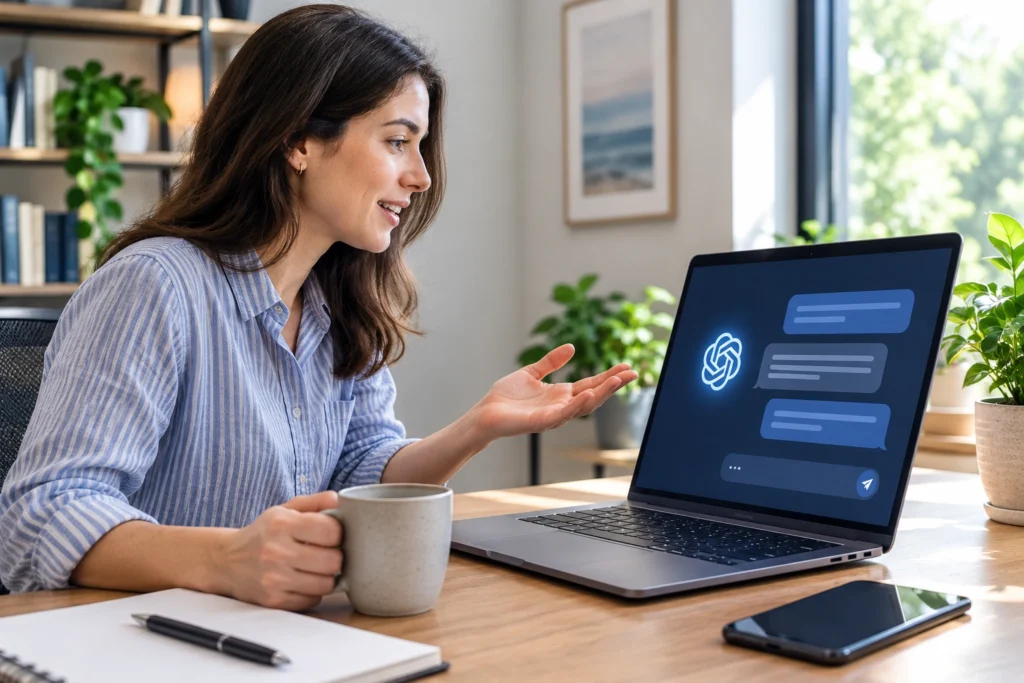
Yes, artificial intelligence reads your website’s trust signals too. Tools like Google AI Overviews and ChatGPT assess what researchers in information technology call entity clarity. In plain terms, that means they check whether your business has consistent, verifiable details across the web, such as:
- Your name
- Location
- Phone number
- Who runs the operation
Third-party citations and verified reviews serve two purposes here. On your site, they build consumer trust with human visitors.
And to AI-supported service providers and search tools scanning the web, those same reviews signal that your business is a credible source worth recommending. Social media profiles that match your website’s branding reinforce this further.
For small businesses, the trust signals that reassure a visitor are the same ones that improve your visibility in AI search down the track. These include a named founder on your About page, consistent contact details, and relevant content across main pages.
What to Do With Everything You’ve Just Learned
Trust is the result of small details adding up across every page, every signal, and every interaction a visitor has with your site. The good news is that you don’t need a full redesign to improve usability, strengthen trust signals, and help visitors find what they need.
Pick one gap from this article and fix it: a real phone number, a founder photo, a Google review on your services page. Each one moves your conversion rates in the right direction and brings more customers through the door.
If you’re ready to build a business website that earns trust from the first second, the team at Basic Linux is here to help. Contact us for a free consultation.